
Online shopping keeps growing every year, but so do the risks that come with it. Especially from fake online marketplaces! These scammy websites aim to trick shoppers into handing over cash or personal details, without ever delivering what was promised. Spotting fake marketplaces might seem tough at first, but with a bit of know-how and the right habits, you can make your shopping trips a whole lot safer. I’m breaking down what to watch for and how to protect yourself so you can avoid traps and get back to buying what you want with less stress.
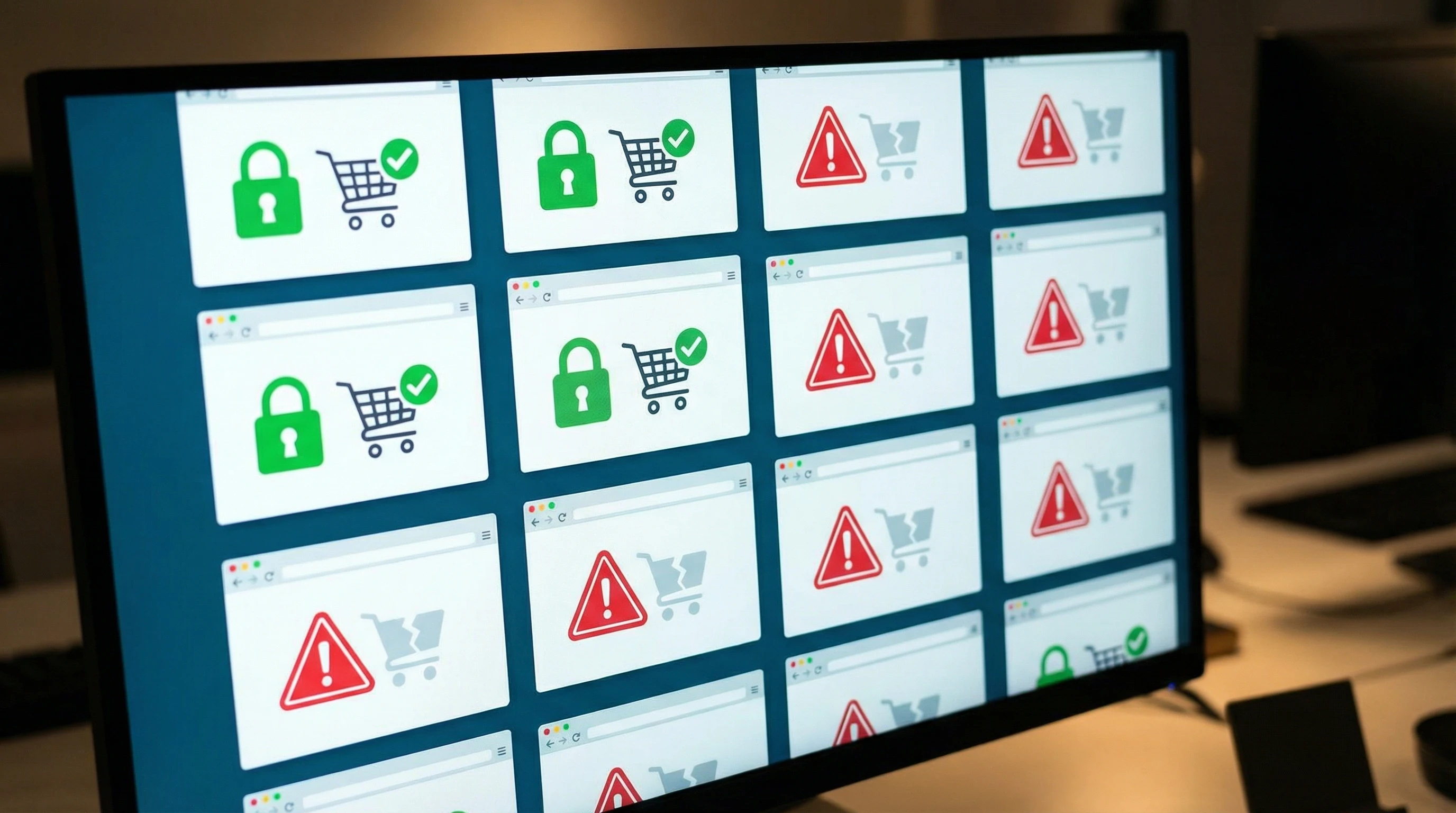
Why Fake Online Marketplaces Are a Problem
Fraudulent online shops are a real pain, causing people to lose their money, putting their data at risk, and even damaging trust in legitimate stores. Global online shopping scams cost consumers billions of dollars each year. Some of these fake marketplaces look so professional that even regular online shoppers get fooled. These sites can snag your payment details, never ship the products, or even sell fake goods.
With more people shopping online, scammers keep cooking up new tricks to keep up with what’s popular. Staying informed about their latest methods helps cut down the risk of getting caught up in one of these scams. Knowing what to look out for can be the difference between a great deal and a disaster.
How Fake Marketplaces Usually Work
Scam marketplaces try really hard to look like the real thing. They often copy logos, write up convincing product descriptions, and even use names that sound just like legit stores. Some run flashy ads on social media, while others pop up in Google Search results with deals that seem too good to pass up.
Ordering from these sites often leads to one of a few outcomes: either you get nothing, you receive a very low quality product, or your payment information gets stolen for future misuse. Being able to spot their common tricks can save you a headache down the road.
Spotting Fake Online Marketplaces: Key Signs to Watch For
- Prices That Are Way Too Low: Superlow prices on big brands or hot products are a classic bait. If a deal looks wild, even for a big sale, something’s off.
- Suspicious Website Names: Many scams use domain names just a letter or two off from trusted sites, or weird endings like “.store” or “.online.” Make sure you’re not being redirected to a lookalike site.
- No Contact Information: Reputable stores have real ways to contact customer service. If you see nothing but a form or a sketchy email address (like Gmail or Yahoo), that’s a red flag.
- Poor Website Design: Legit shops spend on solid web design. If the site is messy, full of typos, or images look pixelated, close that tab. Most real shops want to look polished.
- Limited Payment Methods: Watch out for sites that only accept wire transfers, cryptocurrency, or gift cards. Trusted stores accept standard options like credit cards and PayPal.
- No Returns or Refund Policy: A real store will explain its returns and refund process clearly. If you can’t find that info, or it’s full of confusing jargon, that’s a warning sign.
Step-by-Step Tips for Safe Online Shopping
- Double-Check the URL: Always make sure you’re on the official website. Bookmark your favorite stores to avoid getting redirected to fakes via ads or typos.
- Look for HTTPS: Trustworthy sites have an HTTPS address (not just HTTP) with a padlock icon. While it’s not a guarantee, it’s pretty basic security you should expect.
- Search for Reviews: Plug the site name into Google along with words like “scam,” “review,” or “complaint.” Real user experiences will show up fast, and a lack of results is also a clue the site might be new or suspicious.
- Check Social Media Pages: Wellknown shops usually have active social accounts. If their accounts look barely used or only have a few followers, something’s off.
- Watch for Too Good to Be True Ads: Flashy deals that seem wild are often bait. If you click an ad and land on an unfamiliar site, take a moment to investigate before entering any info.
- Use Credit Cards When You Can: Credit cards typically offer fraud protection, making it easier to dispute charges if something goes wrong. Avoid using direct bank transfers or payment methods with no buyer protection.
Extra Things to Look Out For
- Outdated or Vague About Info: Scam shops don’t spend a lot of time on “About Us” pages. If the info is old, copied from elsewhere, or doesn’t make sense, the store probably isn’t real.
- Shipping Takes Forever: Many fake shops claim products are “in stock” but ship nothing, often blaming delays or customs to buy more time before you realize you’ve been scammed.
- Strange Product Selection: Some sites list everything from electronics to home decor to baby clothes, an odd mix that’s unrealistic for a real shop.
- High-Pressure Tactics: Countdowns, “limited stock” claims, or constant popups saying someone just made a purchase are all meant to push you into buying fast. If you feel rushed or overwhelmed, step back for a second and look closer.
Common Scams to Know About
I’ve seen a few trends pop up over the last few years. Dropshipping scams, where a seller has zero actual stock, are huge. Sometimes you get an item that’s way different from what was described, shipped direct from overseas or never even showing up. Fake luxury goods stores are also common, advertising designer products at huge discounts. They usually send counterfeits, if they ship anything at all. New scams always show up around trends, like gaming consoles or popular shoes.
Dealing With Problems: What If You Got Scammed?
If you think you bought from a fake marketplace, there are still steps you can take. Contact your bank or credit card company right away and explain the situation—they often help reverse fraudulent charges. Save screenshots of receipts, the shop’s website (just in case it vanishes), and any emails you got. If personal info might be at risk, consider changing your passwords and keeping an eye on your credit or bank accounts for any strange activity.
Reporting scammers also helps others. Sites like the U.S. Federal Trade Commission, Action Fraud UK, or your country’s consumer protection agency all collect reports to warn others and work toward shutting scammers down.
When In Doubt, Trust Your Gut
Sometimes, it just doesn’t feel right. If doubts start popping up or if anything seems sketchy, walk away. It’s better to miss out on a supposed “deal” than lose your money or personal details. There are plenty of real online stores out there with good reputation and customer service that will have what you need.
Frequently Asked Questions
Even seasoned online shoppers have questions about scam prevention. Here are a few things people ask me about:
Question: Can fake marketplaces pop up on big social media or search ads?
Answer: Yes. Scammers pay for ads on Facebook, Instagram, or even Google, hoping to look more legit and catch shoppers who don’t double-check the URLs.
Question: What if a site claims to have lots of good reviews?
Answer: Many scam sites fake their review sections. Check for oddly worded reviews, same posting dates, or overly generic comments. Search third party review platforms like Trustpilot or Sitejabber instead.
Question: Is PayPal always safe?
Answer: PayPal is pretty reliable, but scammers can still trick you by asking you to choose “Friends and Family” payments, which offer no purchase protection. Always pick “Goods and Services” for buyer security.
Question: Should I trust websites that just launched?
Answer: Brand new sites aren’t always scams, but they’re riskier. If you can’t find any background info, reviews, or social proof, think twice about making a purchase.
Final Thoughts for Safe Shopping
Paying attention to basic security tips, checking for odd signs, and stalling before you impulse-click can make a big difference. I’ve found that a quick search, spending a few moments to investigate suspicious sites, and sticking with well known stores can help ensure your shopping stays safe, and your wallet intact. If you’re ever unsure, remember that your money and digital life are worth protecting. Happy (and safer) shopping!