
Getting caught up in an online romance scam is something nobody wants to experience. Online dating and social media have made it super easy to connect with new people, but unfortunately, scammers are always looking for ways to take advantage of someone’s search for connection. Spotting the warning signs early and staying sharp can help protect your heart—and your wallet.
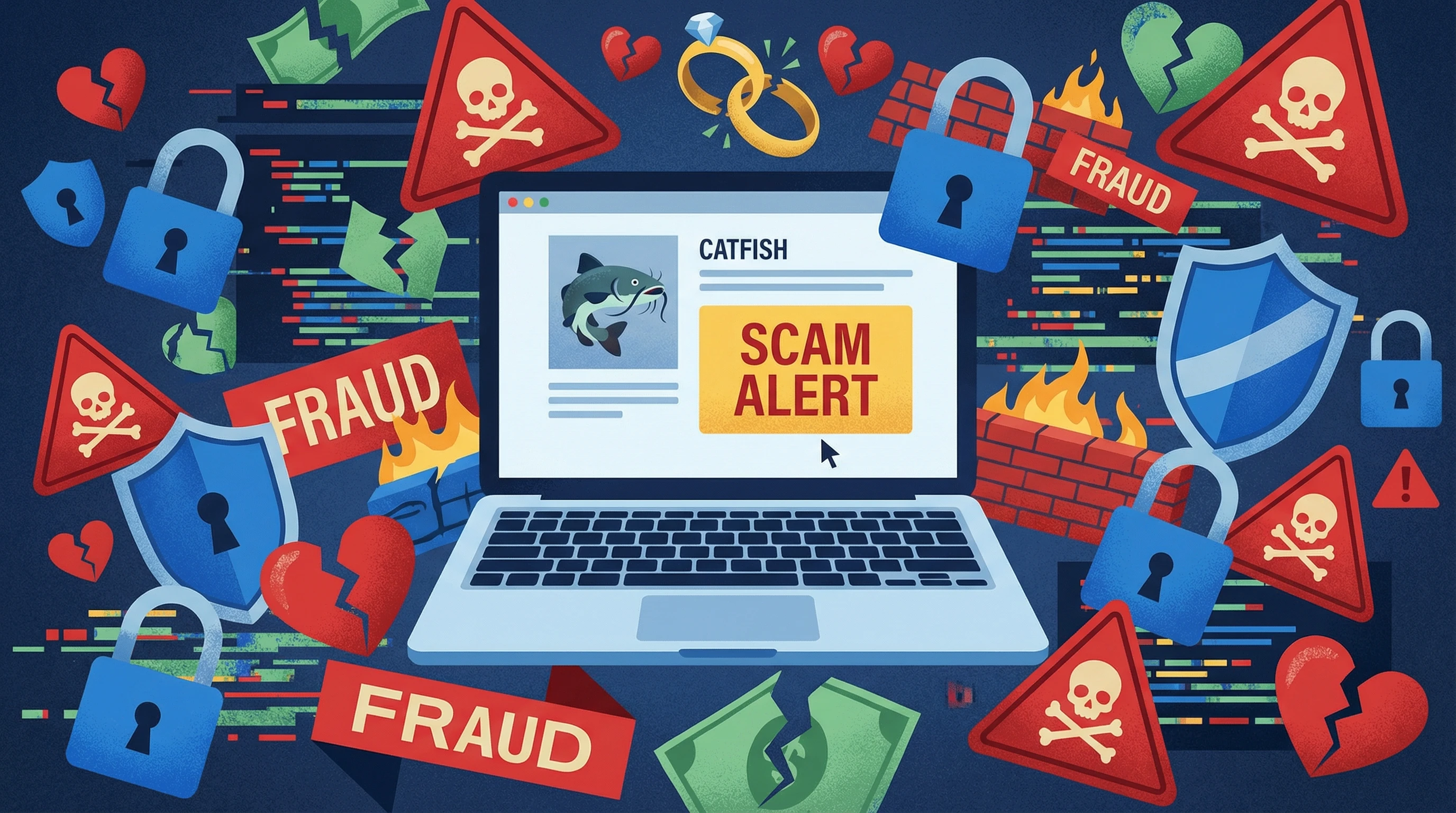
Understanding Romance Scams and Why They Happen
Romance scams usually start when someone creates a fake online profile, often using stolen pictures and personal information. The goal is to build trust and spark a relationship, only to eventually ask for money or sensitive information. These scams hit people of all ages and backgrounds and cost victims millions of dollars each year. According to the FTC, Americans lost more than $1.3 billion to romance scams in 2022. That number just keeps climbing.
Scammers use online dating apps, social networks, email, and even gaming sites to find targets. Once contact is made, they will move the conversation off-platform quickly (to text or email), share personal stories, and communicate a lot to build emotional bonds. Staying aware of these tactics helps you spot trouble in time.
Big Red Flags: Common Signs of a Romance Scam
Scammers can sound super convincing, but there are usually some pretty clear warning signs if you know what to look for. Here’s what raises my suspicion:
- They avoid meeting in person: The person always has reasons why they can’t video chat or meet up face to face. Excuses can range from work travel to secret military duty.
- The relationship moves really fast: Within days or weeks, they’re talking about love, soulmates, or even marriage. They might push for intense conversations quickly.
- They ask for money or help with finance: Sooner or later, they say they need money due to an emergency. It could be a medical bill, a visa issue, or something else personal. Sometimes, this starts as a small favor and quickly snowballs.
- They claim to be overseas or in a remote location: They might say they work on oil rigs, are stationed in the military, work as doctors on assignments, or have jobs that keep them out of the country.
- They create a sense of urgency or guilt: The scammer tries to make you feel responsible for their emergency or guilt you into helping.
- There are inconsistencies in their story: Details might not add up, their photos look too polished, or answers to questions get vague or confusing.
Trust your gut. If something feels off, it probably is. It’s way better to check things out early than to regret it later.
Staying Safe: Tips to Protect Yourself from Romance Scams
Even if you recognize some warning signs, it’s easy to get swept up if you’re excited about a new connection. I’ve found that sticking to a few key safety tips makes a huge difference:
- Keep conversations on the dating platform at first: Most dating apps monitor for suspicious behavior and can help protect you if something goes wrong.
- Be careful with personal information: Don’t share your address, workplace, or financial info until you’re sure you know the person on the other end.
- Don’t rush into anything: Real relationships take time to build. A scammer often tries to move things ahead quickly. Go at your own pace, and pay attention to how the other person responds.
- Never send money or gifts: No matter how convincing someone’s story might be, wiring money or sending gift cards is a huge risk. Always pause and double check, even if the request seems “urgent.”
- Do your own research: Search for their photo online using reverse image tools. If you spot the same photo on multiple unrelated profiles, that’s a massive red flag.
- Talk to friends or family: If you’re feeling smitten and someone online starts making requests, talk it over with someone you trust. Fresh eyes are super helpful.
- Trust your instincts: If things don’t add up, distance yourself. You don’t owe online strangers anything.
These simple moves can keep you from being pulled into a scam, no matter how clever or charming the scammer might be. If you ever come across requests for your banking details or copies of your identification, it is vital to stop sharing information right away. Scammers sometimes try to use stolen data for further fraud, so protecting your sensitive info is key.
Typical Tricks Scammers Use
Romance scammers have a bag of tricks they return to again and again. I’ve seen a few common moves:
- Storytelling to gain sympathy: They share touching, heartbreaking stories to build connection and trust.
- Love bombing: Tons of affection, constant attention, and grand promises early on help reel people in.
- Asking to move conversations off platform: They quickly ask for your phone number, email, or to connect through WhatsApp or another app, where there’s less oversight.
- Copypasted messages: Sometimes, scammers use the same block of text or write in awkward English. Searching for an exact phrase may bring up scam warnings.
- Reluctance to share new, candid photos or video chat: Requests for recent photos or a live call are often ignored or dismissed.
Always slow things down if you start seeing these patterns. If you confront a scammer, they usually disappear fast. If you notice profiles with photos that look too nextlevel cool or professionally edited, there’s a good chance those pictures are stolen.
Common Questions About Romance Scams
I hear a lot of people wonder if they’re at risk or how to check if something suspicious is really a scam. Here are some FAQs that come up all the time:
Q: What should I do if I think I’m talking to a scammer?
A: Stop communicating with them immediately. Block them on the app or platform. Save any messages or emails in case you want to make a report. Tell someone you trust what’s happened and report the incident to the dating platform and to the FTC at reportfraud.ftc.gov.
Q: Can someone fall for a romance scam even if they’re tech savvy?
A: Unfortunately, yes! Scammers use psychological tricks, not just technology. They play on emotions and loneliness, and they’re good at it. Anyone can be fooled if the scammer is convincing enough or catches them at a vulnerable time.
Q: How can I spot a fake profile on a dating app?
A: Look for odd language, inconsistencies in their stories, very few photos, or overly professional looking pictures. If their online presence seems limited or hard to verify, be wary.
Q: Is it safe to send money to someone I’ve only met online?
A: It’s really important to never send money to anyone you haven’t met in person, especially if the relationship is new. If someone cares about you, they won’t pressure you for cash or gifts.
What to Do if You’ve Been Targeted
Getting targeted by a scammer doesn’t mean you’ve done something wrong. These people are manipulative, and their tactics can trick anyone. Here are some steps I recommend if you think you’re caught in a romance scam:
- Stop all contact immediately: Don’t reply further and block all communication on every platform.
- Collect evidence: Take screenshots of messages and save any photos, emails, or voice messages in case you need them for reports.
- Report the scammer: Notify the dating app, relevant social media sites, and file a report with the FTC.
- Watch your accounts: If you shared personal or banking details, check your credit report or contact your bank for next steps.
- Talk to people you trust: Sharing your experience helps, and you may prevent the scammer from targeting others you know.
Staying open about what happened helps you recover and may even help more people avoid falling for these cons. It’s also a good move to change any passwords shared with the scammer, just in case. If you’re feeling anxious or embarrassed, know that support groups and local consumer protection agencies can provide help.